Executive Summary
Air-conditioning systems on railway coaches continuously extract moisture from cabin and outside air as a byproduct of cooling. This technical brief describes an onboard collection and metering system that captures this condensate — targeting 400 to 900 litres per air-conditioned coach per day depending on ambient humidity — routing it toward depot-based storage and reuse rather than allowing it to be discarded.
Condensate as a resource
Conventional HVAC systems discard condensate as waste. At coach scale across a national fleet, this represents a significant volume of clean water that current designs do not capture.
Collection and metering
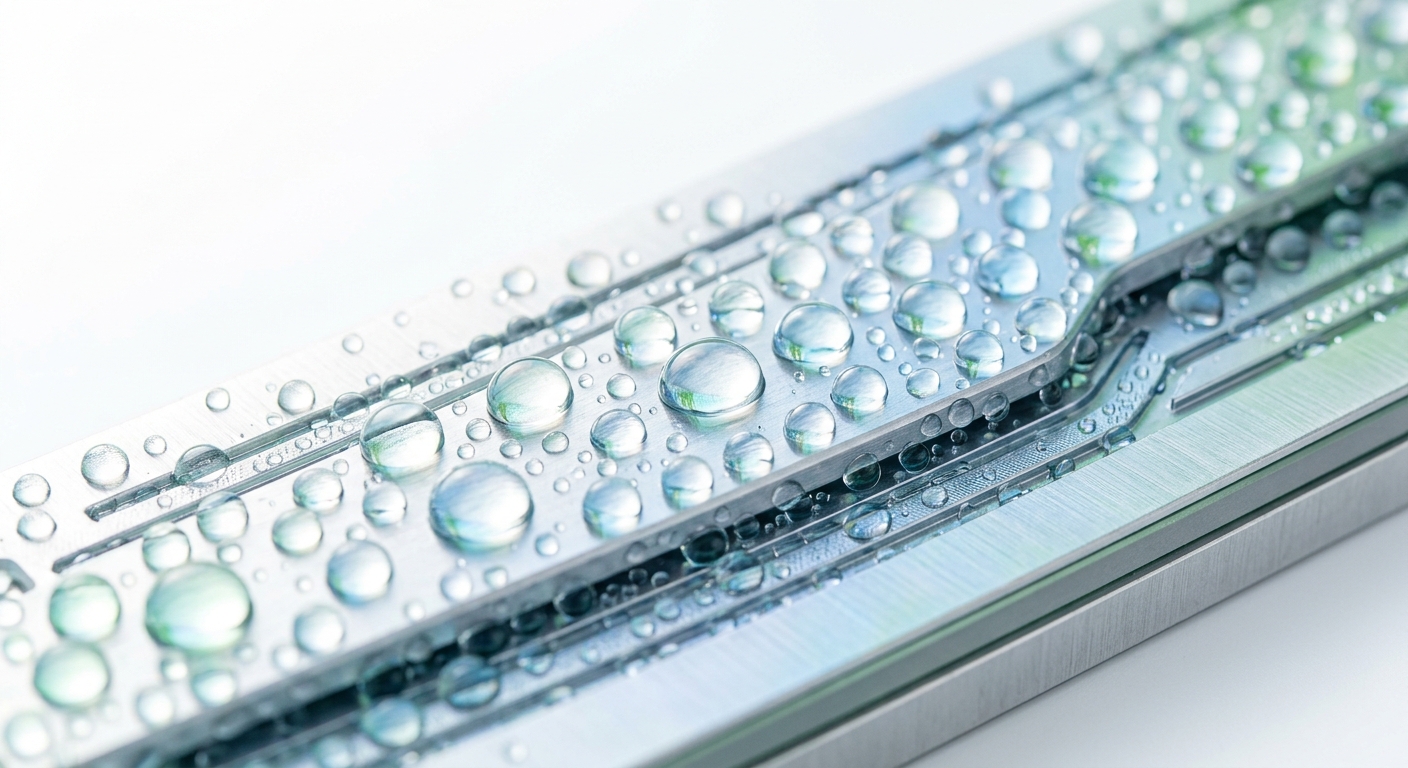
A dedicated collection tray and routing system captures condensate before it is discharged, metering volume onboard so that depot handling and reuse planning can be data-driven rather than estimated.
This publication describes conceptual frameworks and proposed architectures. Where quantitative figures appear, they are engineering projections intended for planning and are subject to experimental validation.
Depot handling and reuse
Harvested water is proposed to be offloaded at depot alongside captured CO₂, for use in non-potable applications such as coach washing, cooling-tower makeup or landscaping — reducing freshwater draw from municipal or ground sources.
Glossary
References
References point to established engineering disciplines and public frameworks, not fabricated citations.
- General principles of HVAC condensate recovery
- Published ranges for coach-level air-conditioning duty cycles
Suggested Citation
TransO2 Engineering Team (2025). Atmospheric Water Harvesting for Rolling Stock. TRN-004, v1.0.
About TransO2
TransO2 is an Environmental Infrastructure Technology company developing integrated engineering concepts that reimagine transportation assets as intelligent environmental platforms. Through systems engineering, sustainability, digital technologies, and modular design, TransO2 explores new approaches to environmental value creation across mobility and infrastructure.